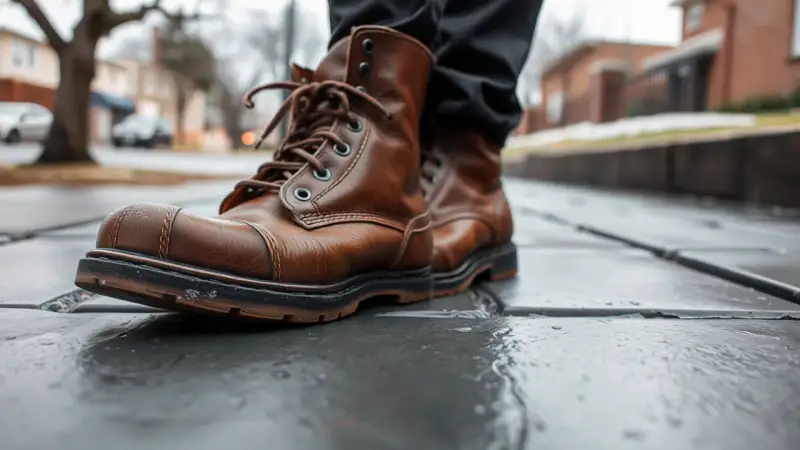
What to Wear This Month: Leather Boot Outfits and Salt Care
November 2026 is forecast to be warm and wet across much of the United States, and the mornings are turning cold. That combination makes a good pair of leather boots the most useful thing in the closet this month. It also means the boots will meet slush, puddles and the first road salt of the season.
November Weather: Warm Days, Wet Streets, Some Frost
The National Oceanic and Atmospheric Administration’s outlook for November leans warmer than average nearly everywhere, with the best odds in the northern part of the country. Forecasters did not favor a cooler-than-average month in the lower 48 states or Alaska. Arizona, New Mexico and Texas are the only whole states given equal odds of a warm, cool or average month.
Rain matters more for footwear. Much of the lower 48 and Alaska’s southern coast lean wetter than average this November, with the highest chances in the Southwest and parts of the Upper Midwest. The Northern Rockies, western Alaska and parts of Michigan lean drier. El Niño is the main climate pattern behind the forecast.
Warm doesn’t mean frost-free. Forecasters are also watching for a possible stratospheric warming event later in the month, which can bring unusually cool conditions to the eastern United States. That is a reason to dress in layers you can take off as the day warms up.
Five Outfits Built Around Leather Boots
- Office day: Dark trousers, a fine-knit crewneck over a collared shirt, a wool overcoat and polished brown Chelsea boots. Hem the trousers so they rest just on the top of the boot.
- Wet commute: Straight-leg dark jeans, a merino turtleneck, a hooded rain shell and lace-up leather boots treated with waterproofing. Pack a lighter shoe for the office if your commute is long.
- Weekend errands: A flannel shirt open over a plain tee, chinos and work-style boots. When the afternoon warms up, tie the flannel at your waist or put it in your bag.
- Dinner out: A midi skirt or tailored trousers, a slim sweater, a leather or wool jacket and heeled ankle boots in black.
- Frosty morning walk: Thermal leggings or lined trousers, a fleece under a quilted vest, a knit hat and lace-up boots with thick wool socks.
Keep suede for dry days. Melting snow, rain and puddles can all leave water stains on suede and nubuck.
Removing Salt Stains From Leather Boots
The white, chalky lines on boots appear when road de-icing salts or sweat rise to the surface as the leather dries. Salt dries leather out, and road salt drastically increases cracking and drying. The sooner you treat the marks, the easier they come off.
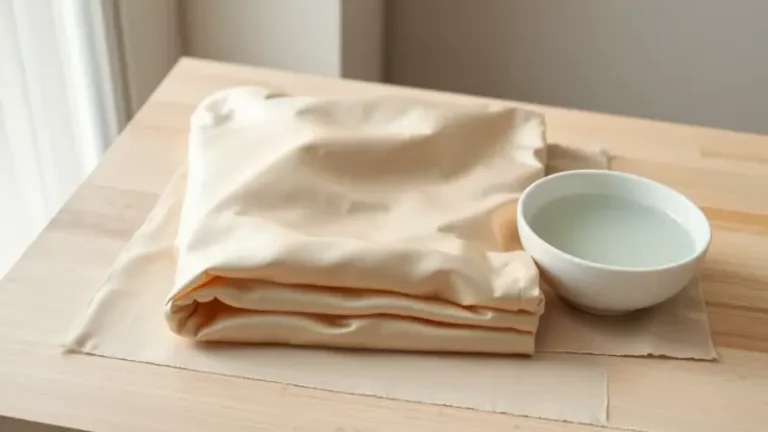
- If the salt is still wet, wipe it off right away with a damp cloth. That may be all it takes.
- For dried marks on smooth leather, mix equal parts white vinegar and water. Dip a soft cloth in the mix and wipe along the white lines.
- Let the boots dry at room temperature. Don’t put them near a heater, because direct heat can shrink and crack leather that salt has already dried out.
- Condition the leather once it is dry, since salt and vinegar both pull moisture out of it.
- Older, set-in stains can take two or three rounds.
Protecting Boots Through the Season
The best protection is a quick wipe-down every time you come in from outside. Before you head out, spray clean, dry boots with a waterproofing product. On boots with leather soles, edge dressing applied around the sole helps keep moisture from seeping in.
Condition more often in cold months: about every four weeks in winter, compared with every six to eight weeks in milder weather. When the season ends, make sure boots are clean and dry before you put them away, so salt doesn’t sit on the leather for months.
FAQ
– Is vinegar safe for all leather?
No. The vinegar-and-water wipe is for smooth leather. Follow it with conditioner, because the vinegar also pulls moisture out of the hide.
– Can I dry soaked boots on a radiator?
No. Direct heat shrinks and cracks leather. Let the boots dry slowly at room temperature, then condition them.
Sources
- U.S. temperature and precipitation outlook for November 2026 — climate.us
- Probabilistic Hazards Outlook – Climate Prediction Center — cpc.ncep.noaa.gov
- Remove Salt Stains from Leather Shoes — johnwhiteshoes.com