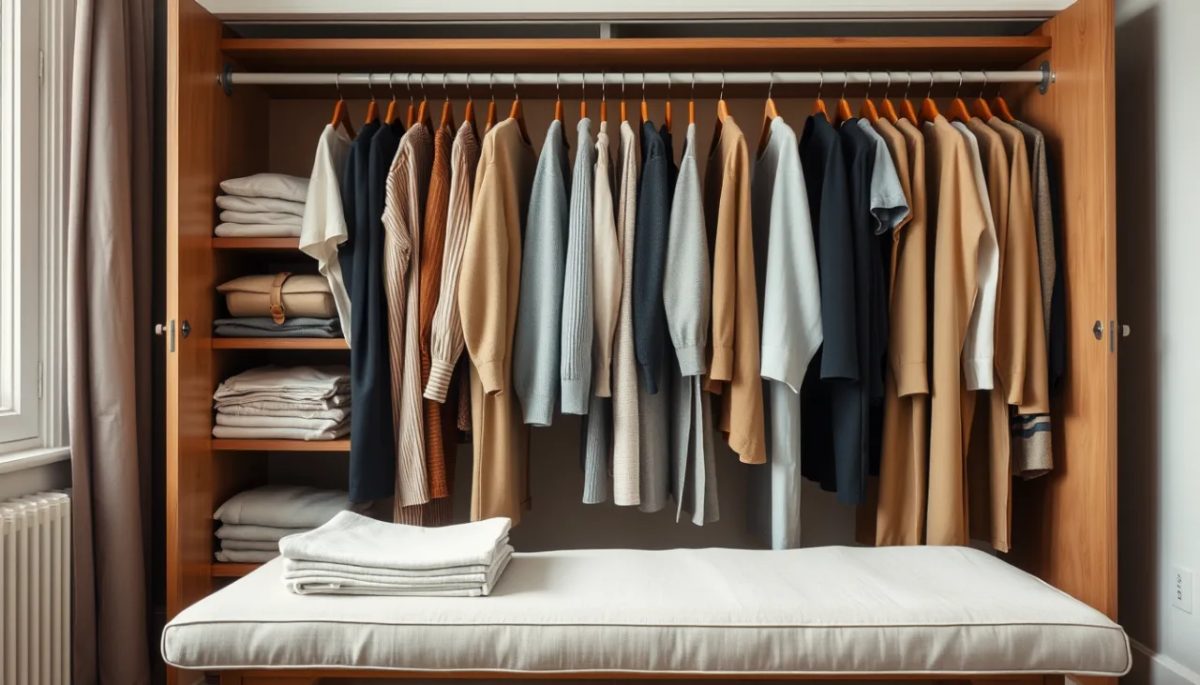
The Economics of a Woman’s Closet: How Much Sits Unworn, and What It’s Worth
A survey of US women aged 18 to 54, run by the resale marketplace Threadflip in the early 2010s, found an average closet of about 90 items worth roughly $1,000. About 51% of those items, around 46 pieces, were no longer worn at all.
The same survey estimated that unused pieces were worth about $510 per woman. It also found that a typical item gets heavy use for less than a month before wear drops to almost nothing. These are dated findings from a marketplace with a stake in resale, not current national data.
How much do women spend on clothes?
The Bureau of Labor Statistics measures this by household, not by gender. Its Consumer Expenditure Survey put average apparel and services spending at $1,754 in 2021. It reached $2,041 in 2023. Apparel and services made up 2.6% of total spending in 2023.
One breakdown of the same BLS data reports that, in 2023, households spent an average of $655 on women’s clothing and $208 on women’s footwear. Those figures cover whole households and are averages, so your own spending may look quite different.
Why do so many clothes go unworn?
Buying is often driven by trends, a change in life circumstances or an occasion. Fit changes, and so does taste. The survey’s finding that use drops off quickly suggests that most clothing is bought for a moment, not for years. The result is a closet full of pieces that are not bad, just not chosen.
Is reselling unused clothes worth the effort?
It can offset spending, but it will not turn a wardrobe into an investment. The marketplace’s own math assumed a 20% commission and found that selling $510 of idle clothing would return about $408. That commission is a past rate from one business. Fees vary a lot by service and are usually higher for consignment. Check the payout terms before you commit.
Realistic results depend on three things:
- Brand and condition. Well-kept pieces from recognizable labels move faster than basics.
- Season. Coats sell better heading into fall, and sandals sell better heading into spring.
- Time. Photographing, describing and shipping each piece takes effort that is not reflected in the payout.
How do you keep a closet from filling up again?
Sort items by when you last wore them, and set aside anything untouched for a full year. Sell, donate or swap those pieces. Then buy secondhand where you can, because pieces bought preloved usually keep more of their value if you resell them later. Before any purchase, check that the piece works with at least three things you already own.