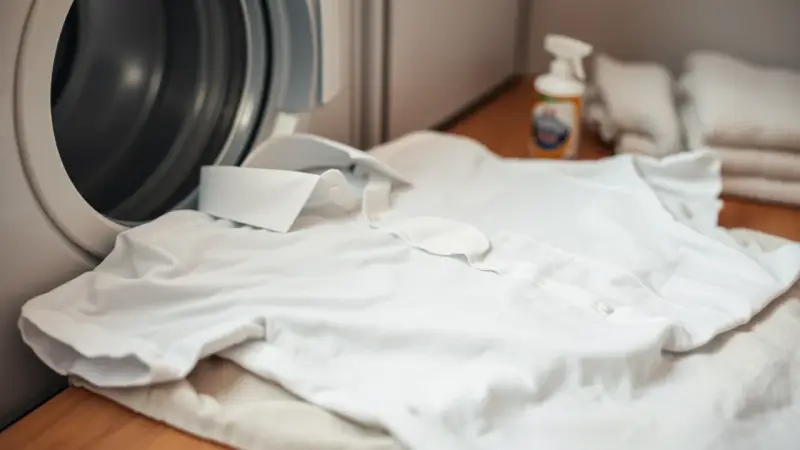
Are Chapstick Stains Permanent? Usually Not, Even After the Dryer
Chapstick stains are usually not permanent. Lip balm is made of wax and oil, and both can be dissolved with grease-fighting dish soap, rubbing alcohol or an enzyme stain remover. Dryer heat makes the stain harder to remove, but it rarely makes it impossible. Fabric type and how long the stain sits matter most.
This article covers what makes a lip balm stain stick, why the dryer is the real problem, and how to judge whether your garment can be saved. For the full step-by-step cleaning routine, see our main guide on getting Chapstick out of clothes.
For the bigger picture, read How to Get ChapStick Out of Clothes, Even After the Dryer.
Why do Chapstick stains look permanent?
A Chapstick stain looks permanent because it is a mix of wax and oil, which water alone cannot rinse away. Lip balm often leaves dark, greasy-looking patches on cotton and denim, and these can spread across a whole load if the tube goes through the wash.
Wax is solid at room temperature and melts when warmed. In a washer or dryer, it softens, spreads and then cools again inside the fibers. The oil component soaks in and leaves a darker mark. Tinted or colored balms can add pigment on top of that.
Does the dryer make a Chapstick stain permanent?
The dryer does not usually make a Chapstick stain truly permanent, but heat sets the wax and oil deeper into the fabric and makes removal harder. A stain that has been dried needs more effort than a fresh one, and it may take more than one round of treatment.
The key is to stop applying heat as soon as you spot the problem. Every extra cycle in the dryer, and any pressing with an iron, bakes the grease further in. Check the garment while it is still damp, when stains show up most clearly, and keep it out of the dryer until the marks are gone.
What makes a lip balm stain harder to remove?
Several factors decide whether a Chapstick stain comes out easily or stays stubborn. Some you can control, and some you cannot.
- Heat exposure. A trip through the dryer, or ironing over the spot, sets wax and oil into the fibers.
- Time. A stain that has sat for weeks, or been washed repeatedly without treatment, is tougher than a fresh one.
- Fabric type. Cotton, denim and polyester usually tolerate strong stain treatments. Silk, wool, satin and other delicates absorb oil differently and can be damaged by rubbing or harsh products.
- Color of the balm. Tinted or colored lip products can leave a dye mark that remains after the grease is gone.
- Color of the fabric. Oil shadows show up most on light and mid-tone fabrics, and dark ones can hide leftover residue.
Can you still fix a stain that has been washed and dried?
Yes, a Chapstick stain that has been washed and dried can often still be fixed. The approach is to break down the set grease and wax, then wash again without heat drying until the spot disappears.
- Test first. Try any product on a hidden seam or hem and check the care label.
- Loosen the wax. Dab on rubbing alcohol, or work grease-cutting dish soap into the spot with a soft toothbrush. Blot rather than scrub hard.
- Let it sit. Give the treatment at least 30 minutes, longer for older stains.
- Wash warm if the label allows. Use a detergent with enzymes, which help break down grease.
- Check before drying. Air-dry the garment and look at the spot in daylight. If a mark remains, repeat the treatment.
Repeating the cycle is normal for dried-in balm. Several rounds may be needed, and patience matters more than strength.
When is a Chapstick stain truly permanent?
A Chapstick stain is only effectively permanent when the damage goes beyond the grease itself. That happens in a few situations:
- Dye transfer. Pigment from a tinted balm can bond to the fabric even after the oil is removed.
- Fabric damage from aggressive treatment. Chlorine bleach on colors, hard scrubbing or the wrong solvent on delicates can leave marks worse than the original stain.
- Years-old, heat-set stains. Spots that have been through many wash and dry cycles are the hardest to lift, though they are not always hopeless.
For silk, satin, wool, cashmere, leather or a garment you cannot replace, take it to a professional dry cleaner instead of experimenting. Tell them what the stain is and whether it has been heated.
FAQ
– Will Chapstick stains come out after washing?
Sometimes, but washing alone often leaves a faint grease shadow. Pretreating with dish soap or a stain remover before the wash gives much better odds, and you should check the spot before using the dryer.
– Can a Chapstick stain go away on its own?
No, a Chapstick stain does not fade by itself. The oil stays in the fibers and can darken over time, so treating it sooner is easier than waiting.
– Is it safe to use bleach on a Chapstick stain?
Chlorine bleach is not a good choice for most Chapstick stains. It does not dissolve wax and oil, and it can strip color from dyed fabrics. Grease-cutting soap or an enzyme remover is the safer first step.
– How do you remove tinted lip balm stains?
Tinted lip balm needs the same grease treatment first, followed by a second step for the color. Test any stain remover on a hidden spot, and use a professional cleaner if the fabric is delicate.