How to Get ChapStick Out of Clothes, Even After the Dryer
To get ChapStick out of clothes, freeze the garment so the wax hardens, then scrape it off. Next, sprinkle baking soda on the spot to soak up oil, work in grease-cutting dish soap, and let it sit at least 30 minutes. Wash in the warmest water the care label allows. What matters most is keeping the item out of the dryer until the stain is completely gone.
Lip balm is hard to wash out because it’s made of wax and oil, and water can’t dissolve either one. ChapStick Classic Original, for example, is 45% white petrolatum, with paraffin, mineral oil, beeswax, carnauba wax and lanolin among its other ingredients. That’s why the fix is to remove the wax by hand first, then break up the oil with a surfactant. A surfactant is a cleaning agent, like dish soap, that lets oil mix with water so it can rinse away.
What you need to remove a ChapStick stain
- A freezer or an ice pack. Hard wax lifts off cleanly. Soft wax smears.
- A dull scraper. A spoon, butter knife or old plastic card all work.
- An absorbent powder. Baking soda, cornstarch or baby powder will pull oil out of the fibers.
- Grease-cutting dish soap or heavy-duty liquid laundry detergent. Enzyme formulas are a plus.
- An old soft toothbrush. Use it to work products in gently.
- Optional: rubbing alcohol, white vinegar, oxygen bleach for tinted balm, and paper towels.
How to get ChapStick out of clothes, step by step
- Check the care label. Find the highest wash temperature the fabric can take, and look for “dry clean only.” If it says dry clean only, skip to the delicates section below.
- Freeze the stain. Seal the garment in a plastic bag and freeze it for 30 to 60 minutes, or hold an ice pack on the spot. You want the ChapStick fully solid and brittle, not just cool.
- Scrape, don’t rub. Lay the item flat and lift the hard wax off with the dull edge. Push outward from the center so you don’t spread it.
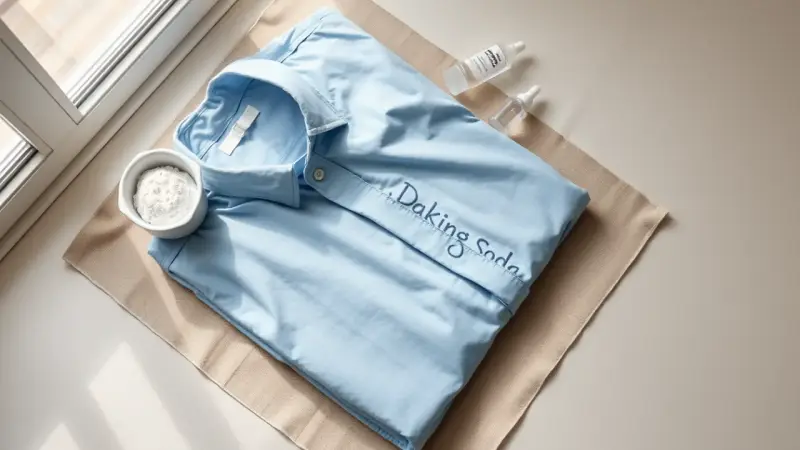
- Add baking soda. Cover the stain with powder and work it in with the toothbrush in small circles. If the baking soda forms small clumps, discard it and repeat until no more clumps form. Clumps mean the powder is pulling up oil.
- Pretreat with dish soap. Mix a few drops of dish soap with a few drops of water, rub it into both sides of the fabric, and leave it for at least 30 minutes. For old stains, leave it overnight.
- Wash warm. Wash with your regular detergent, ideally one with enzymes. Use the hottest temperature the label advises. If you’re not sure, wash it in cold water.
- Air-dry and check. Hang the item to dry instead of using the dryer. A wet garment often obscures an oil or wax stain that hasn’t come out completely in the wash. If you still see a shadow once it’s dry, repeat steps 4 through 6.
Which ChapStick stain remover works best?
Dish soap works best on most washable fabrics because it’s made to cut grease. The other options are good backups for particular fabrics or situations.
| Method | Best for (fabric or stain) | Notes |
|---|---|---|
| Dish soap | Cotton, denim, polyester blends; fresh or washed-in stains | Leave on at least 30 minutes. Rinse well. |
| Baking soda or cornstarch | Any fabric, including dry-clean-only items | Pulls oil out before you wash. Repeat until it stops clumping. |
| Rubbing alcohol | Sturdy fabrics with waxy residue | Dab it on; don’t soak. Test a hidden spot first. |
| White vinegar (1:1 with water) | Light leftover grease on washables | Mild. Good as a second pass. |
| Enzyme stain remover or detergent | Heavy or older stains on washables | Apply liberally. Leave on 30 minutes or more. |
| Oxygen bleach | Tinted lip balm on colorfast fabrics | Only use on colorfast items. Never use chlorine bleach on colors. |
Dish soap
Dish soap is your first choice. The petrolatum and wax in ChapStick behave like grease, and the surfactants in dish soap loosen that grease so the wash can carry it away. Use a plain formula without added bleach on dark or bright clothes.
Rubbing alcohol
Rubbing alcohol loosens waxy film that dish soap alone can leave behind. It works as a mild solvent on waxy residue. Dab it on with a cotton ball, blot, then follow with dish soap.
White vinegar
Mix white vinegar and water in equal parts and use it on a faint ring that’s left after the main treatment. Rub it in and let it work for at least 30 minutes before you wash.
Enzyme detergent and oxygen bleach
Put enzyme detergent straight on large stains. If the stain is big or has been there a while, add a laundry booster with oxygen bleach to the wash. Tinted balms leave pigment behind after the oil is gone, so an oxygen-bleach soak before washing helps with those.
How to get ChapStick out of clothes after drying
You can still get ChapStick out of clothes after a full dryer cycle, but it takes more rounds. When a tube goes through the dryer, the heat fully liquefies it, and the melted balm can spread to other garments in the load. Heat can cause the oils in ChapStick to set more deeply into the fabric.
- Find every spot. Look over each item from the load in good light. Melted wax spreads to clothes that were nowhere near the tube.
- Draw out the wax with paper towels. Put the stain between layers of paper towels and press with an iron on low for cotton or denim. Keep the iron moving, and move to a clean section of towel each time wax soaks in.
- Soak up the oil. Cover the spot with baking soda or cornstarch and leave it for an hour or overnight.
- Pretreat overnight. Work in dish soap or enzyme detergent and let it sit.
- Wash warm and air-dry. It may take two or three rounds. Don’t machine-dry until the spot is gone.
Clean the dryer too. Unplug the dryer and wipe the drum with a cloth dampened in warm, soapy water. Dry it thoroughly before the next load. Otherwise, wax left on the drum can end up on your next batch of clothes.
What makes a ChapStick stain worse
- Dryer or iron heat on an untreated stain. Heat pushes oil deeper into the fibers. Use the iron only for the paper-towel blotting method above.
- Rubbing hard. Scrubbing spreads the wax and can fuzz the fabric. Blot and use small, gentle circles.
- Water alone. A plain rinse just moves the grease around.
- Chlorine bleach on colors. It can leave pale spots. On wool and silk, it damages the fibers themselves.
- Skipping the patch test. Try alcohol, vinegar or any stain remover on an inside seam first. Wait a few minutes and check for color loss.
Removing lip balm from silk, wool and dry-clean-only clothes
Delicate fabrics need gentler handling than regular laundry. Here’s how to treat each one:
- Silk and satin. Freeze and scrape very lightly, then blot on a little cornstarch. Hand-wash in cool water with a detergent for delicates. Roll the item in a towel and dry it flat. Don’t use alcohol.
- Wool and cashmere. Use powder, then a drop of wool wash. Hand-wash cool, or use the wool cycle with the item in a mesh bag. Dry flat, and store folded rather than hung. Clean knits before storing them, since leftover oils can draw moths.
- Dry-clean only. Absorbent powders such as cornstarch or baby powder can work at home, or you can send it out for professional cleaning. Tell the cleaner it’s lip balm.
- Leather and waterproof shells. Scrape, blot with powder, and leave anything bigger than a small spot to a professional. Solvents can strip a jacket’s finish or waterproof coating.
FAQ
– Are ChapStick stains permanent?
ChapStick stains usually aren’t permanent, even after a trip through the dryer. Set-in stains just need more rounds of absorbent powder, dish soap and washing, with air-drying in between. Stains that are still there after several rounds, especially on delicate fabric, are a job for a professional cleaner.
– How do you remove oil stains from clothes that have already been washed?
Use an absorbent powder first, then a degreaser. Baking soda or cornstarch works well on a ChapStick stain that has already been through the wash. After the powder stops clumping, pretreat with dish soap, wash warm, and air-dry.
– What is ChapStick made of?
ChapStick is a petroleum-based lip balm made mostly of waxes and oils. The Classic Original formula is 45% white petrolatum and also contains lanolin. Other versions add sunscreen or tint, and tinted versions can leave color behind after the grease is gone.
– Can I use a Magic Eraser on clothes?
No, a Magic Eraser isn’t a good choice for clothes. Melamine foam is an abrasive, so it can rough up or thin the fibers and still leave the oil behind. Dish soap and a soft toothbrush do a better job on lip balm.
– Does this work for Blistex, Burt’s Bees and other lip balms?
Yes, the same freeze, scrape, powder and dish soap method works on Blistex, Burt’s Bees and most other wax-based lip balms. Balms made with beeswax or extra oils may need a longer soak. For tinted balms, add an oxygen-bleach soak on colorfast fabrics.