
What to Wear This Month: Chelsea Boot Outfits and Salt Stain Care
Late November brings the first slush to many sidewalks, and with it the road salt that leaves white marks on boots. This month’s guide is built around one pair of Chelsea boots. It gives five outfits made from basic wardrobe pieces, then explains how to get salt marks off leather before they set.
Why Chelsea Boots Work in Cold Weather
The Chelsea boot is ankle-high and fits close, so it sits neatly under trousers without the bulk of a taller boot. A single versatile pair in black or brown leather is enough for most winter occasions.
Choose leather over suede for wet weather. If you are often out in rain, slush or on damp pavements, leather is the safer pick, because it generally stands up to an occasional wipe-down better than suede. Lighter browns, such as tobacco, pair well with jeans and casual clothes.
Five Outfits for the Month
- Weekend errands. Jeans, a henley and a puffer coat make an easy winter outfit. For men, straight-leg or bootcut jeans look good over Chelsea boots.
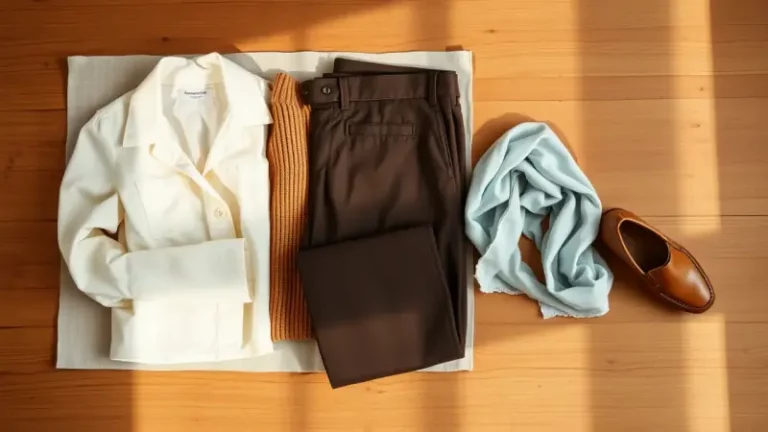
- Office or smart-casual. Wear wool or flannel trousers in charcoal, navy or mid-grey with a crisp shirt and a wool overcoat on top. Camel-colored boots go with dark chinos, straight jeans or flannel trousers.
- Softer and smarter. A fine-knit sweater or cardigan worn with trousers and Chelsea boots looks slightly dressier.
- Dinner or a dressier evening. Wear the boots with a sweater dress and tights. Black tights are an especially good match.
- Polished and casual. A blazer with Chelsea boots looks clean and sharp, and light-wash jeans make the outfit less formal.
Let the boots show. If you wear winter socks, they can add a bit of bold color.
Removing Road Salt From Leather Boots
The white, chalky tide marks come from road de-icing compounds or sweat that rise to the surface as moisture evaporates. Leaving salt stains untreated for weeks lets the buildup get worse, so deal with them the same week.
- Dry and brush first. When the boots are completely dry, use a soft brush to remove any loose salt crystals.
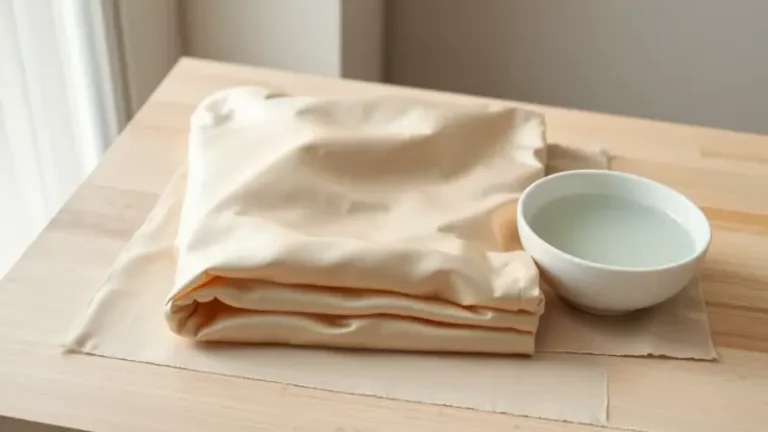
- Mix the solution. Use 1 part distilled white vinegar to 1 to 3 parts water. Use the weaker mix on factory-finished or weatherproofed leather. A quarter cup of each is enough for a standard pair. Don’t use apple cider or balsamic vinegar, because colored vinegars can stain light leather.
- Test, then apply. First try the mix on a hidden spot, such as the inside of the heel. Wipe slightly past the visible stain line, because salt often spreads farther than you can see. For heavy stains, leave the damp cloth on the area for two to three minutes before wiping.
- Rinse. Wipe the whole boot with a second cloth dampened in plain water to remove leftover vinegar. This also stops new tide marks from forming where the solution dries.
- Dry slowly. Let the boots air-dry for a full 24 hours away from any heat source before conditioning. Take out the insoles so they dry separately.
- Condition. If you skip conditioner after cleaning, the leather is left dry and prone to cracking.
FAQ
– Can I dry wet boots on a radiator to save time?
No. Direct heat cracks leather and sets stains. Dry them slowly at room temperature instead.
– Does the same method work on suede?
Use a much weaker mix. For suede, use 1 tablespoon of distilled white vinegar in 1 cup of water. Let the boots dry away from direct heat before you try to remove the stains.
– How should I clean the boots between salt treatments?
Wipe them regularly with a damp cloth, then dust them with a dry one.
Sources
- Chelsea Boots for Men: Styling Guide for Winter — saintg.in
- How to Style Winter Boots, Winter Boot Outfits – Blundstone — blundstone.com
- How to Remove Salt Stains from Leather Boots — BootCarehub — bootcarehub.com