How to Sell Clothes You No Longer Wear, and What You Actually Keep
In a 2013 roundup of places to sell unworn clothes, the fashion resale marketplace Threadflip was described as free to list on, with the site promoting items and paying the seller once they sold. Sellers kept 80 percent of the selling price. That was a dated description of one business at one moment, but the rule behind it still applies. What matters is the share of the final sale price that lands in your account.
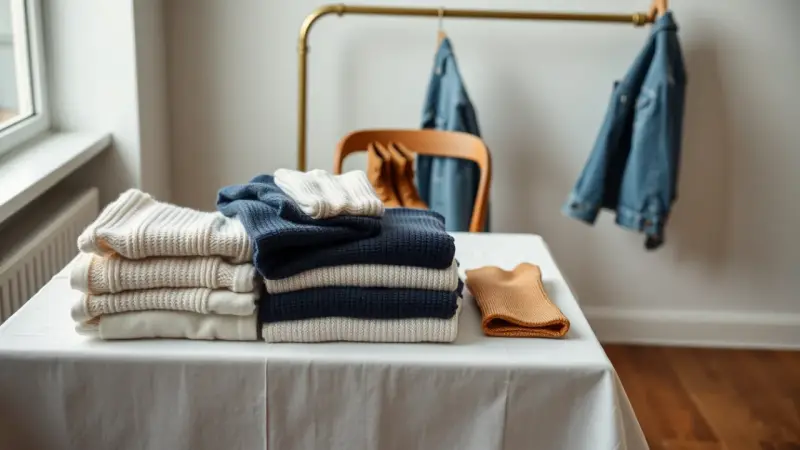
The same guide urged readers to sort their closets as the seasons changed. It said to part with anything that does not fit, that you do not like, or that you have not worn in a year. That is still a sound test for deciding what to sell.
What the payout split means for you
An 80 percent share means the marketplace keeps 20 percent. The cut usually pays for the marketplace’s promotion, its payment handling and its tools. Fees are not the same everywhere, and they change over time, so read the current terms before you list anything.
When you compare options, ask these questions:
- Is it free to list, or do you pay before an item sells?
- Is the commission a flat percentage or does it change with the sale price?
- Who pays for shipping and who handles photos?
- When is the payout released, and in what form: cash, a bank transfer or store credit?
- What happens to items that do not sell?
Pay attention to the order of events. With consignment, a service lists the item for you and pays you after it sells, minus its share. With an online marketplace, you usually list the item yourself and pay a fee when it sells. Either way, the percentage applies to the final price, not your asking price. If the price drops, your payout drops with it.
Why searchability helps sellers too
The 2013 guide praised the marketplace’s search for shoppers. Buyers could filter by brand and size and see more results than they expected. That is useful for sellers. Shoppers who already know their size in a brand’s cut search for exactly that, so your listing is easier to find if the details are accurate. Put the brand, the item type and the size in the title and description, using the wording on the label.
Practical tips before you list
Sort first. Pull out pieces that are clean, intact and current enough that a stranger would want them. Items from well-known brands tend to draw more interest, but a plain, well-made basic in a popular size can sell too.
Fix small flaws. Replace a missing button, remove pilling and steam out creases. If a flaw remains, describe it plainly. Buyers return items that do not match the description, and a return can cost you the sale.
Measure the garment. Sizes vary between brands and decades. Note the bust or chest, waist, hips, length and inseam in inches, laid flat. Buyers trust measurements more than size tags.
Photograph in daylight. Use a plain background and show the front, the back, the label and any flaw. Include a shot of the fabric content tag, since buyers often check materials.
Price with the cut in mind. Look at what comparable pieces in the same condition have actually sold for, not just what they are asking. Then work backward from the fee to see what you would keep. If the payout is too small to bother with, donate the piece or keep it.
Choose the route by item. Everyday pieces may suit a fast, low-effort route, even if you keep less. A designer coat or bag may justify more care and a service that checks authenticity, since an expensive piece may be worth paying someone to verify.
Ship carefully. Fold the item, put it in a clean bag and use a sturdy mailer. Keep your proof of postage until the buyer confirms delivery.
Track what you keep. Record the sale price, the fees, any shipping you paid and the payout. Your real earnings are what is left after those costs.
What to hold back
Keep anything with sentimental value, anything you wear several times a year, and any piece that would cost more to replace than it would earn. A clear-out works best when you sell what you do not use and keep what you do.